
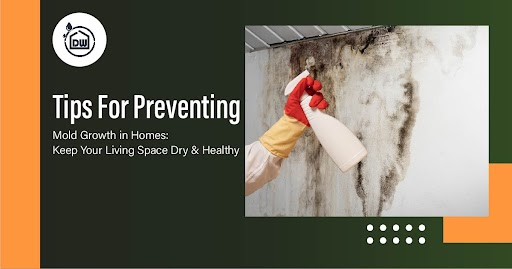
Mold is a kind of fungus that grows on damp and moist surfaces. It spreads via microscopic spores. It is a risk-factor not only to your property but is also hazardous to your health. If you are living in Wilmington, DE where humid climate, damp basements or leaky roofs are a common sight then your home might be at risk. The good news? With the right mold remediation in Wilmington DE, you can stop mold from growing before it causes expensive damage to property or health.
This blog is your go-to guide on how to prevent mold in your house and what to do if you already suspect an issue. If you’re seeking professional mold remediation in Wilmington DE, keep reading to understand when to call in the experts and how to keep your living environment clean, dry, and mold-free.
Mold Remediation In Wilmington DE Homes
Before we dive into the pro tips on how to prevent mold in your home, let us first get a sneak peek into why Wilmington DE homes are prone to mold issues and why residents there often retort to mold removal services.
Why Wilmington, DE Homes are Prone to Mold?
Homes in Wilmington and the greater Delaware area face increased mold risk due to
- The region’s humid climate,
- Frequent storms, and
- Older housing with poor ventilation.
- Summers are hot and wet, and annual rainfall averages 45 inches, often flooding basements and crawlspaces.
- Many homes lack modern insulation or vapor barriers, making them ideal for mold growth.
And mold thrives in moist, poorly ventilated areas. In Wilmington, DE homes molds can be frequently spotted at :
- Basements and crawlspaces (especially unfinished ones)
- Bathrooms with poor ventilation
- Kitchens, especially under sinks and around dishwashers
- Attics with inadequate insulation or roof leaks
- Laundry rooms or around HVAC systems
Once it begins to grow, it spreads fast, quickly spreading to the entire home. Beyond structural damage, mold can trigger allergies, asthma, and other respiratory and health problems.
Common Signs Of Mold In Homes
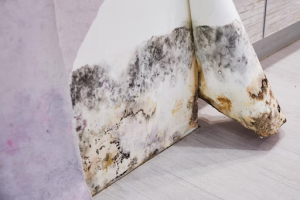
Whenever the home gets infested with mold, following are some common visible signs of mold appearance-
- Musty Order.
- Mold growth may appear as gray, black, green, and white patches on walls, ceilings, and wooden surfaces.
- Water damage or stains indicate moisture buildup
- Warped walls or floors
- Peeling of paint or wallpaper
- Frequent condensation on walls, pipes, or windows.
How To Prevent Mold In House
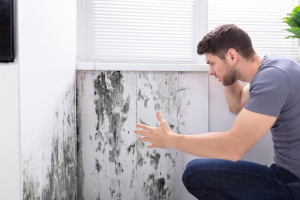
For those who are actively seeking mold damage removal in Wilmington, DE or looking out for mold removal services in the area , they should remember that “controlling moisture is the key”. Here are top 10 tips on mold remediation in Wilmington, DE for residents to keep your house mold and moisture free-dry and healthy!
- Reduce Indoor Humidity.
Keep indoor humidity between 30% and 50% using air conditioning, dehumidifiers, or fans. Experts advise keeping it below 60% to discourage mold growth. A small hygrometer can help monitor humidity and warn you if it rises too high.
- Fix Leaks Promptly.
Repair any plumbing leaks, roof leaks, or drips as soon as you notice them. Even small leaks or dripping water provide enough moisture for molds to propagate. For example, fix dripping faucets, leaking appliance hoses, or any slow water seepage under sinks or around AC units immediately.
- Clear Gutters & Drainage.
Keep roof gutters clean and ensure downspouts carry water away from the foundation. Also, make sure the ground slopes down away from your walls; the EPA advises this to prevent water from collecting. In Wilmington, clearing gutters before the rainy season and grading soil away from the house can stop excess moisture at the source.
- Use Mold-Resistant Materials
For mold remediation in Wilmington DE where high-moisture and humidity prevails, consider mold-resistant drywall, paints, or caulk in bathrooms and kitchens. These products are formulated to inhibit mold growth. Also choose mold-resistant bathroom tiles to further reduce mold risk.
- Improve Ventilation
Poor circulation leads to moisture retention in the air. Keep interior air moving with ceiling or floor fans. Install exhaust fans in bathrooms and kitchens for proper air circulation. Avoid blocking vents or sealing off rooms, as stagnant air encourages mold. Opening interior doors and occasionally running fans can help circulate dry air.
- Basement Maintenance.
Wilmington, DE basements are prone to moisture retention due to local weather conditions. So, if you have a basement, use a dehumidifier and keep it well-ventilated. Check for foundation cracks, if any, and ensure any sump pump is working properly to avoid flooding. Keep the boxes and furniture on the shelves rather than floor and watch for any damp spots on walls or the floor.
- Maintain Your HVAC System
The HVAC system plays a key role in keeping the humidity levels under check in the home. If it is not properly maintained then humidity levels may go unchecked leading mold. Under-maintained HVAC systems can also circulate mold spores under such circumstances.
It is advised to replace the filters every 3 months (depending on the type of filter and specific circumstances) and schedule annual HVAC servicing. You can search for mold remediation companies near me in Wilmington, DE to have the ducts inspected for leaks or mold.
- Dry Wet Areas Quickly
After any flooding or any water spills, dry soaked materials (like carpets or drywall) within 24–48 hours. Use fans and dehumidifiers to speed drying and prevent mold colonies from forming. Even everyday spills (like a wet shower wall or a spilled drink) should be dried promptly.
- Inspect Attics and Roofs.
After storms or heavy rainfall, always examine the attic and roof for any leaks or moisture seepage. Poorly sealed roofs or vents can lead to hidden mold in the ceiling or attic. Repair the roofs or attics for any damage immediately to address water leakage in the long run.
- Watch Houseplants.
Overwatering indoor plants can cause mold to grow in the soil. Ensure pots have good drainage and don’t keep water standing in trays for long. Wipe down plant leaves and change the soil if you see mold forming.
When to Call the Experts
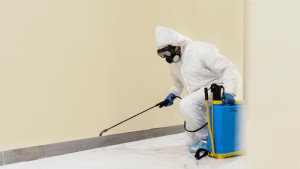
At times, DIY tricks won’t lead to guaranteed mold remediation in Wilmington, DE or near-by areas. Expert help is needed. So if you’ve already discovered mold or suspect hidden growth that looks grave then it is best to contact professionals for mold remediation in Wilmington DE. They have the tools and expertise to:
- Identify the mold type
- Remove contaminated materials safely
- Prevent recurrence, and
- Restore affected areas
So, searching for mold remediation companies near me in Wilmington, DE? Delaware Waterproofing provides expert, thorough, and affordable mold removal services. Whether you’re facing minor growth or widespread damage, they can help you reclaim a safe and healthy home.
Contact them now for a dry, healthy and mold-free home today!
Keep Your Home Mold
Mold is a common enemy of healthy homes, but it’s preventable with the right approach. Focus on moisture control, proper ventilation, quick response to leaks or spills, and professional help when needed.
If you’re dealing with recurring moisture problems or need mold removal service you can trust, don’t wait. Reach out to a local expert like Delaware Waterproofing, known for dependable mold treatment in Wilmington, DE and effective mold damage removal.
Frequently Asked Questions
1. Why is Wilmington, DE more prone to mold than other areas?
Wilmington’s humid climate, frequent storms, and older homes with basements or crawlspaces make it a high-risk area for mold growth. So mold remediation in Wilmington DE is a must to combat the issue.
2. What are the first signs of mold in a home?
Common signs include a musty smell, visible dark or greenish spots on walls or ceilings, allergic reactions (sneezing, coughing), and increased humidity in certain rooms.
3. How quickly can mold grow after water damage?
Mold can begin growing within 24 to 48 hours in damp conditions. That’s why drying out wet areas immediately after leaks or flooding is crucial.
4. Can I use bleach to remove mold myself?
Bleach may clean visible mold on hard, non-porous surfaces, but it doesn’t kill mold roots on porous materials like drywall or wood. For larger areas, professional mold removal services are safer and more effective.
5. Is mold in the basement dangerous?
Yes. Basement mold can release spores that circulate through your HVAC system, potentially affecting indoor air quality and triggering respiratory issues for occupants.
6. What’s the difference between mold removal and mold remediation?
Mold removal refers to physically cleaning the mold, while remediation includes identifying and eliminating the moisture source, cleaning, treating, and preventing future outbreaks.