
Molds are the most common problem found in the house or workspace, especially if located in a damp or humid environment. And as rightly said, for every problem there is a solution as well. The most common terms heard with regards to solutions for molds are “mold removal” and “mold remediation,” but both are two distinct solutions. First, it is important to understand both the terms individually and the difference between the two. Thereby, it would be easier to make the right choice, and Delaware Waterproofing would definitely be one such right decision while selecting the professional help you need.
Mold Removal vs. Mold Remediation
Before heading forward to explore which option would be appropriate to choose from- mold removal v/s mold remediation, let us dig deeper into what mold is and what is the underlying difference between mold removal and mold remediation.
What is Mold?
Mold is a type of fungus that grows moist, warm, and humid environments and can appear on various surfaces, such as walls, ceilings, and floors. Molds reproduce through tiny airborne spores, which can settle on damp surfaces and begin to grow. Common places where mold can develop include basements, bathrooms, kitchens, and areas with water leaks or high humidity.
Mold can come in different colors like black, green, white, or orange and can have a musty smell. While some molds are harmless, others can cause health problems, particularly for individuals with respiratory issues or allergies. Prolonged exposure to mold can lead to symptoms like coughing, sneezing, skin irritation, and more serious conditions like asthma or infections in sensitive individuals. Therefore, it’s important to address mold growth promptly to prevent damage to property and potential health risks.
What is Mold Removal?
The process to remove the molds completely from the affected surfaces is called mold removal, but one important point to be kept in mind is that it is almost impossible to remove the mold spores from the house completely as they tend to exist naturally. However, there are certain methods that can be followed to maximally and effectively remove mold from the affected areas.

The Best Mold Removal Options
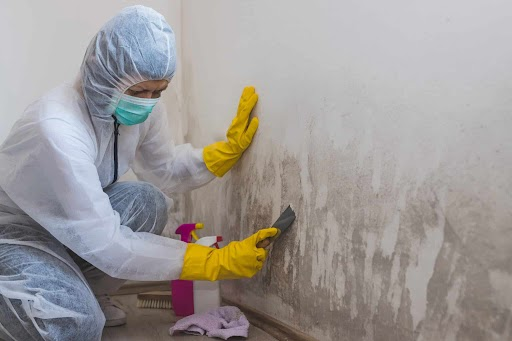
- Physical Removal: This includes scrapping and scrubbing the effective non-porous areas like tiles and glasses and cutting out the penetrated porous areas like drywall, wood, etc.
- Chemical Removal: Those affected surfaces which are hard for regular cleaning can be cleaned using mold removal chemicals like vinegar, bleach, and hydrogen peroxide.
- Ultrasonic Cleaning: In this method, high-frequency sound waves are used to remove mold and pores from the affected areas, which cannot be washed through scrubbing or cleaning with chemicals.
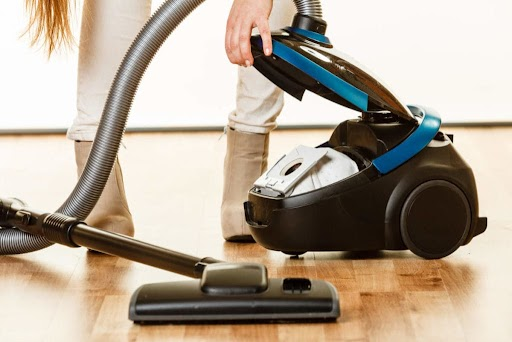
- Vacuum Cleaning: This method uses vacuum cleaners with HEPA filters for removing molds and pores from the surfaces and those that are suspended in air.
What is Mold Remediation?
Contrary to mold removal, mold remediation is a broad term that is not solely focused on the mold removal but trying to eradicate the problem with steps like identifying, containing, and removing molds and pores, along with understanding the underlying reason for mold growth which is moisture and humidity.
Mold Remediation Process: Explained.
Mold remediation is a more comprehensive process compared to mold removal. It addresses both the problems of mold removal as well as identifying and working on the underlying cause of mold, i.e moisture and humidity. This is the basic difference between mold removal and mold remediation.
Mold remediation involves various steps :
Inspection
The first step in mold remediation involves a thorough inspection, including visual assessment for mold, water damage, and moisture. Professionals use moisture meters, infrared cameras, and air quality testing, and may collect samples to identify mold type and guide remediation strategies.
Containment of the Mold
After assessing the mold problem, the next step is containment. It primarily prevents spore spread by sealing affected areas with plastic sheeting and tape. Negative air pressure and airlocks (decontamination zones) are used to filter and control airflow, ensuring mold spores don’t contaminate other spaces.
Air filtration
Air filtration is crucial during mold remediation to prevent spore spread. HEPA filters, air scrubbers, and vacuums capture 99.97% of airborne particles, improving indoor air quality and protecting occupants, particularly in areas near the containment zone.
Air Filtration
Air Filteration
Mold Removal
After containment and air filtration, the process of mold removal begins. Porous materials like drywall, carpet, and insulation often require disposal due to deep mold penetration. Non-porous surfaces, such as metal and glass, can be cleaned using specialized EPA-registered antimicrobial products to eliminate mold spores and sanitize affected areas.
Cleaning And sanitization
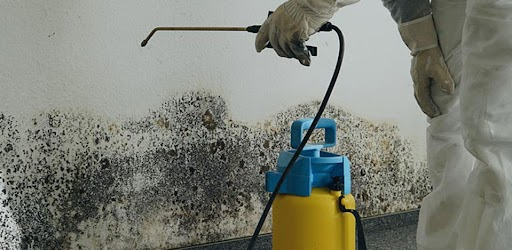
After mold removal, deep cleaning and sanitization are necessary to eliminate remaining spores, dust, and debris. The process involves wiping of surfaces with mold-killing agents, HEPA vacuums can be used to eliminate any spores that may be left. Air scrubbers are used to sanitize the air. Mold removal often leaves behind a musty odor that can be removed with professional odor removal treatments, such as ozone or hydroxyl generators
Restoration And Post-Remediation Testing
After mold removal and cleaning, the final step is restoration. This involves replacing damaged materials, fixing moisture issues like leaks, and implementing preventative measures such as improved ventilation or waterproofing. Post-remediation testing ensures successful mold elimination and verifies moisture control, confirming the area is safe for use.
Mold Remediation vs Mold Removal- Which one is better?
When deciding in a situation where its mold removal vs mold remediation, understanding the difference between the two processes and your specific situation is essential before taking the final call. Let us first understand the underlying differences between mold removal and mold remediation.
chances of relapsing can surely be restricted and reduced to a great extent, which is not the case with mold removal.
Area of Focus
In the context of mold removal vs mold remediation, mold removal focuses on physically eliminating visible mold from surfaces like walls, ceilings, or furniture by cleaning or scrubbing. On the other hand, mold remediation is a comprehensive process that not only includes mold removal but also addresses the root cause of moisture, isolates affected areas, and implements measures to prevent future mold growth, offering a more thorough solution.
Preventing Mold Growth in Future
The key difference between mold removal and mold remediation lies in the scope of controlling the growth of mold in future. Mold removal focuses solely on eliminating visible mold, but it may not tackle the underlying moisture issues or conditions that caused the mold to grow, potentially leading to its return. In contrast, mold remediation addresses moisture control and includes preventive steps like enhancing ventilation, repairing leaks, or applying protective coatings to prevent mold from recurring.
Professional Expertise Involved
Mold Removal is often a DIY job that might not consider essential safety measures, especially when dealing with significant mold contamination, potentially exposing individuals to harmful spores and toxins. On the other hand, Mold Remediation involves professionals who use specialized safety gear, such as protective suits, respirators, and HEPA filters, ensuring mold is safely removed and occupants are protected from harmful exposure.
Cost Considerations
When studying mold removal vs mold remediation, cost considerations are equally important. Mold removal may be more affordable initially since it focuses solely on eliminating visible mold. However, without proper remediation, mold is likely to return, leading to additional expenses. On the other hand, mold remediation may have a higher upfront cost but offers a long-term solution, potentially saving you from future mold-related expenses and health concerns.
Health Impact
When considering mold removal vs mold remediation, health considerations play a crucial role. Mold removal typically focuses on eliminating visible mold, but it might not address the underlying health risks or prevent future mold growth. Remediation, however, includes thorough cleaning, moisture control, and safety measures to minimize health hazards, such as exposure to mold spores and toxins.
After a comprehensive understanding of the difference between mold removal and mold remediation, another question that arises in mind is when to go for mold removal or when to opt for mold remediation.
Mold Removal vs Mold Remediation
When Should You Choose Mold Removal?
Mold removal is generally appropriate for small-scale mold issues where the mold is confined to a surface and can be easily cleaned off. For instance, if you spot some mold on your bathroom tiles, cleaning it with a mold-specific cleaner may be sufficient to solve the problem. If the mold issue is isolated, and there’s no indication of underlying moisture problems, mold removal might be a viable solution.
However, you should proceed with caution. Small mold problems can quickly become larger ones if not addressed properly. Always monitor the situation to ensure that the mold does not return or spread.
When Should You Opt for Mold Remediation?
Mold remediation is necessary when the mold problem is extensive or has affected areas that are difficult to clean, such as behind walls, in carpets, or within the HVAC system. If you notice a musty smell, visible mold growth in multiple areas, or experience health symptoms such as allergies or respiratory issues, professional mold remediation is likely required.
Additionally, if your property has suffered water damage due to flooding, leaks, or poor drainage, mold remediation should be a priority. Mold can start growing within 24-48 hours of water exposure, so it’s essential to act quickly.
Mold Removal vs Mold Remediation: Delaware Waterproofing Decides the Best for You.
Delaware Waterproofing provides expert waterproofing solutions to protect homes from moisture-related issues, including basement leaks and foundation cracks. Their services include mold remediation, crawl space encapsulation, and sump pump installation, ensuring long-term moisture control and prevention. With years of experience, they offer customized, reliable solutions for a healthier, safer home.
Juggling between mold removal vs mold remediation? Delaware Waterproofing got you all covered. They offer expert guidance to help you choose between mold removal and mold remediation based on your specific situation. Their experienced team assesses the extent of mold growth, identifies underlying moisture issues, and evaluates potential health impacts. For minor mold infestations, they have effective mold removal techniques, ensuring your home remains safe and healthy.
In cases of extensive mold presence or toxic varieties, Delaware Waterproofing provides comprehensive mold remediation services. Their approach not only eliminates existing mold but also addresses moisture control, preventing future growth. Utilizing advanced techniques and high-quality materials, they ensure a thorough and lasting solution. With a commitment to customer satisfaction, Delaware Waterproofing empowers homeowners with the knowledge and services needed to make informed decisions, safeguarding your home and health from mold-related issues. For reliable mold management, reach out to Delaware Waterproofing to deliver expert solutions tailored to your needs.
Conclusion
Understanding the difference between mold removal vs mold remediation is essential for effectively addressing the mold problems. While removal eliminates visible mold, remediation tackles both the mold and the underlying moisture issues to prevent future growth. Delaware Waterproofing offers expert services in both areas, ensuring a thorough approach to mold management. Their team assesses your specific needs and provides customized solutions, whether you require minor mold removal or comprehensive remediation. Trust Delaware Waterproofing to protect your home from mold-related hazards.
Frequently Asked Questions
How is mold remediation different from mold removal?
The basic difference between mold removal vs mold remediation is that mold removal is a temporary process that focuses on removing the molds from the surfaces externally, whereas mold remediation is a comprehensive process that not only focuses on the removal of the molds and pores but also works on preventive measures to prevent mold growth in the future.
How do I know if I have to choose between- mold removal vs remediation?
If mold is limited to a small, isolated area, mold removal may suffice. For widespread or recurring mold, mold remediation is recommended to address the root cause, such as water leaks or high humidity.
Can mold removal be done by yourself?
For small areas of non-toxic mold, DIY removal might work. However, professional remediation is essential for extensive or toxic mold to ensure complete and safe treatment.
What services does Delaware Waterproofing provide for mold issues?
Delaware Waterproofing offers comprehensive mold remediation services, including attic and crawl space mitigation, moisture control, and structural repairs to prevent future mold growth. Their experts assess your property to recommend the best solution.
Can mold remediation fully resolve the mold issue?
Molds are naturally present in the air and moisture, so to completely eradicate is a myth, but yes, with mold remediation, its frequent